The kopitiam sits where Bukit Gombak West Avenue meets the slope — a shop I enter when the morning still belongs to delivery riders and aunties comparing queue numbers. I order teh halia the way I always do: hot, not too sweet, with ginger you can taste before the cup touches the table. The uncle writes nothing down. He remembers faces the way this neighbourhood remembers bus routes — by repetition, not by drama.
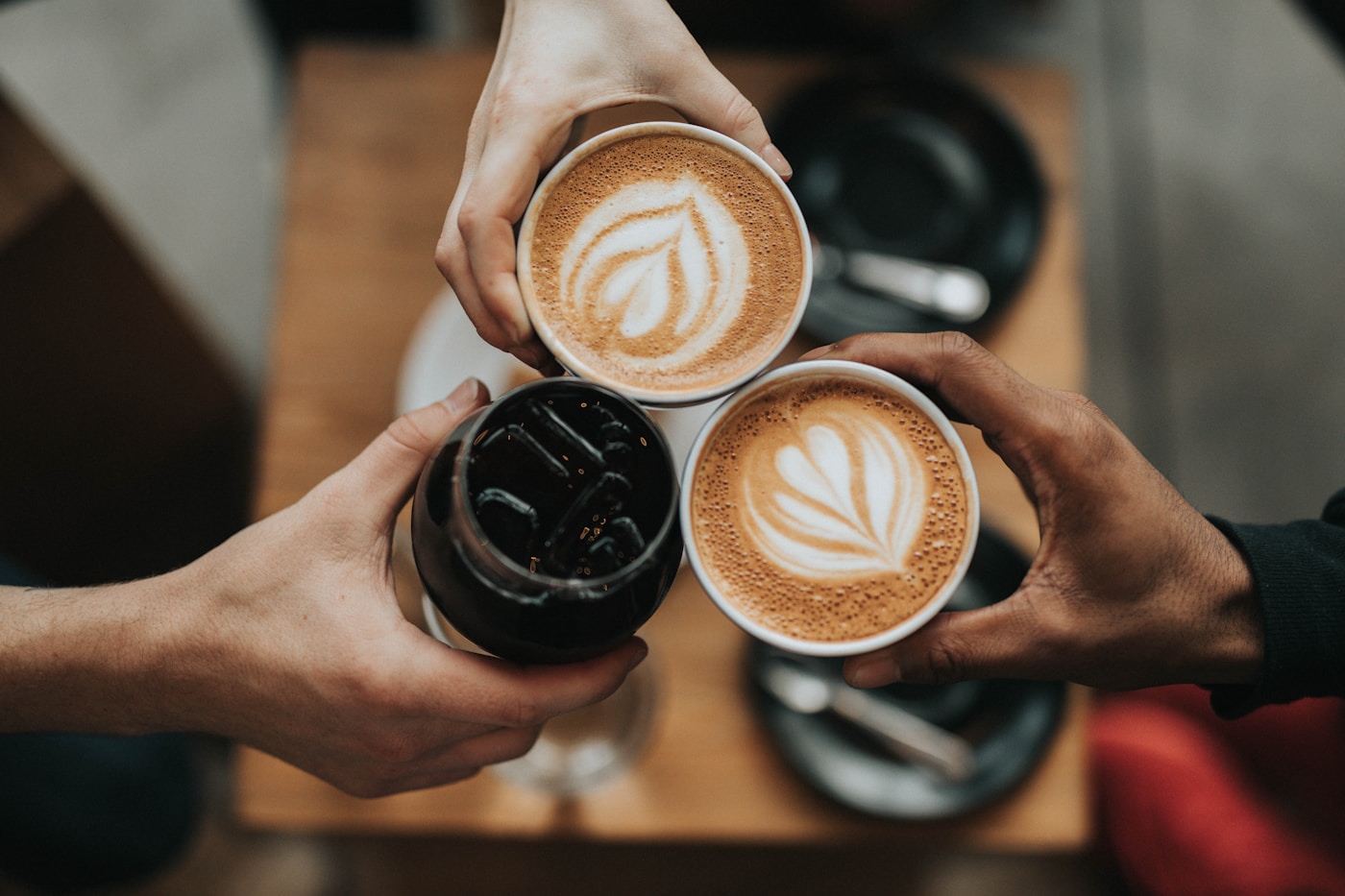
On this morning two cups appeared before the toast. Not my cups — the table beside mine, where an uncle and his grandson had just sat. The toast arrived on a chipped plate, kaya gleaming, butter softening at the corners. Neither of them had ordered yet. The uncle laughed once, short, and said the kitchen must have misread the queue. The grandson tore a corner and the steam rose between them like a small flag of truce.
I watched because I always watch queues. There is a logic to kopitiam service that never makes it onto paper: cups first when the kettle is ready, toast when the grill has space, eggs when someone shouts. The order shifts like tiles in a mosaic — same colours, different arrangement. My teh halia came third in an invisible sequence I did not plan.
The shop floor is red tile, worn pale at the entrance where rain gets tracked in. Fans turn slow enough that you hear the motor between orders. I think about counting here — two cups, one plate, three minutes before the egg arrives for the table at the back. The tally is not efficiency. It is comfort. You know where you are in the morning when you know what comes next, even when next is wrong.
An auntie at the counter argued softly about change from a five-dollar note. The uncle nodded, counted coins into her palm, and turned back to the kettle without breaking rhythm. Outside, the hill at Bukit Gombak held cloud low on its shoulder. Inside, the wrong toast sat half-finished while the right order caught up.
I have no lesson from this except attention. The kopitiam does not need a blog post to function. I need the post to remember that ordinary places sort themselves without asking permission — cups before toast, toast before eggs, patience before complaint. When my plate finally came, the kaya was the same kaya. The morning tasted the same. Only the sequence had been human, which is to say slightly wrong and completely fine.
If you know this shop, you know what I mean about mornings that begin with a queue and a kettle. If you do not, imagine two cups landing before anyone asks — and everyone at the table accepting the miscount as part of the recipe.